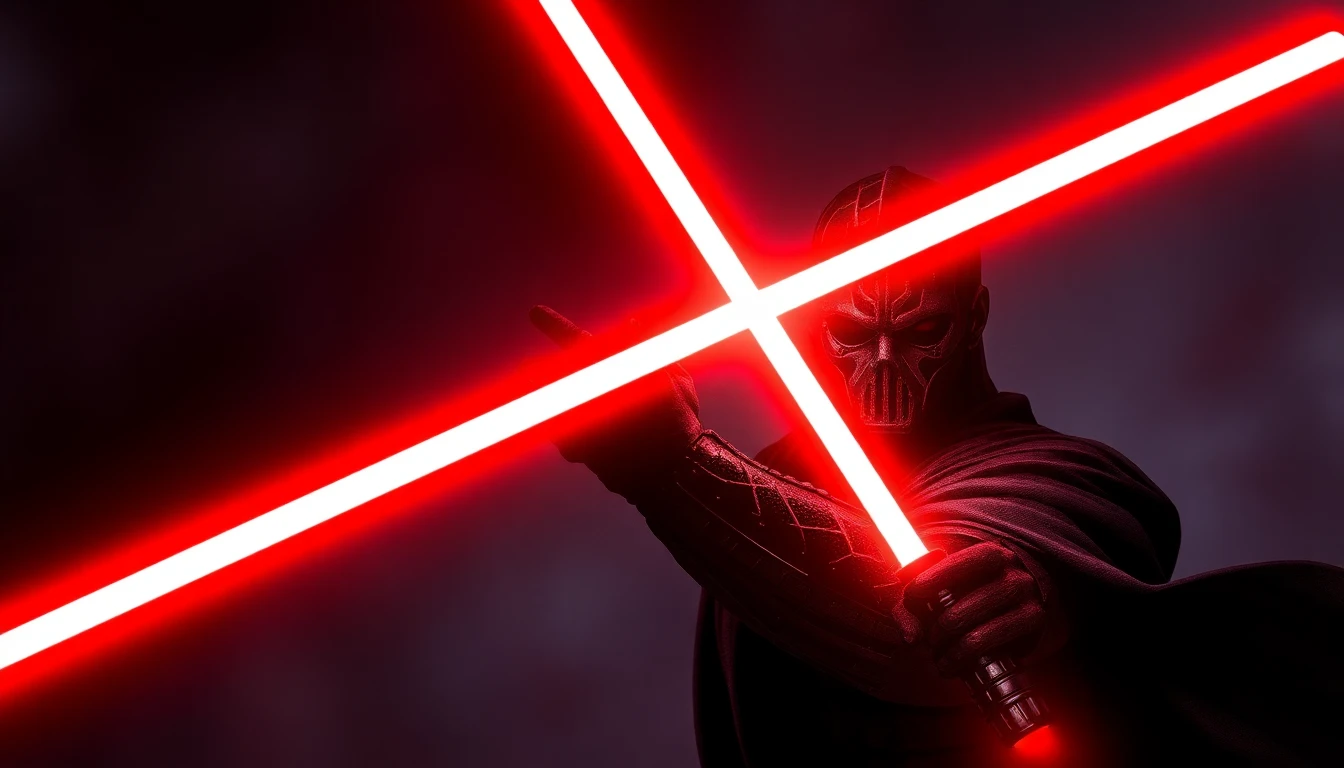
The Unbearable Burdens of Sith Leadership
Climbing the ladder to become a Sith Emperor might seem like the ultimate power move in the Star Wars universe, but as a recent YouTube breakdown reveals, it’s essentially a glorified life sentence of misery. What we learn from this analysis isn’t that the Dark Side offers freedom and control – it’s that the journey to the top is fraught with eternal insecurity and unending paranoia.
The Poisoned Chalice
The video highlights several compelling reasons why being the Sith Emperor is less about ultimate power and more about surviving a constant struggle. Yes, having an entire empire at your command might sound thrilling, but it’s a poisoned chalice. Remember Emperor Palpatine’s demise? Betrayed by his own apprentice – a harsh reminder of the backstabbing culture that’s pervasive in Sith circles. The role turns you into a paranoid wretch, obsessed with deciphering the deadly intentions of your foes and allies alike.
What makes this particularly fascinating is that the Sith philosophy practically guarantees this outcome. The Dark Side feeds on passion, anger, and ambition – the very emotions that make loyalty impossible. A Jedi Master can trust their Padawan because the Jedi Code emphasizes selflessness and service. A Sith Master can never trust their apprentice because the Sith Code literally demands that the student surpass and supplant the teacher. The system is designed to eat itself.
The Rule of Two: Institutionalized Paranoia
Star Wars lore tells us that part of being a Sith is about harnessing passion and ambition to fuel one’s strength. But ambition is a double-edged lightsaber. It attracts rivals like moths to a flame, each waiting for their chance to off you and take your place. As a Sith Emperor, you’re not just combating Jedi; you’re endlessly fighting your own kind.
Let’s not forget the Rule of Two, established by Darth Bane, which mandates that the apprentice always desires to become the master. Living under such perpetual threat doesn’t just demand astronomical Force powers; it also requires you to constantly look over your shoulder. Bane’s insight was that the old Sith Empire collapsed because too many Sith diluted the power of the Dark Side and spent more energy fighting each other than their actual enemies. His solution was elegant in theory – concentrate all power in two individuals – but it created a relationship built entirely on mutual suspicion.
Consider Darth Plagueis and Darth Sidious. Plagueis spent decades cultivating his apprentice, sharing his deepest knowledge of the Force, only to be murdered in his sleep. Sidious then repeated the cycle with Dooku, whom he always intended to replace with Anakin. And Anakin, of course, eventually threw Sidious down a reactor shaft. The pattern is so consistent it’s practically a Sith pension plan.
The Loneliness of Dark Power
In my opinion, the life of a Sith Emperor is a nightmare masquerading as a dream. The promise of freedom through power is obliterated by the constant demands of maintaining your rule. You can’t enjoy the fruits of your tyranny because you’re too busy ensuring it doesn’t crumble beneath you. Sure, the aesthetic is cool, the red lightsabers are even cooler, but I wouldn’t trade places with any of them.
There’s also the emotional toll that Star Wars rarely explores directly but implies constantly. The Dark Side demands isolation. Every relationship becomes transactional. Palpatine had no friends, no confidants, no one he could speak to honestly. Vader’s most genuine emotional connection in two decades was with a son he’d only just met. Maul, abandoned by his master and separated from his brother, spent years in literal madness. The Dark Side promises strength through passion but delivers strength through emptiness.
What This Means for Future Stories
It’s the ultimate Catch-22: enough power to rule the galaxy, but too consumed by fear and suspicion to ever enjoy it. One element to watch for that could validate this miserable existence is how future Star Wars narratives handle the Sith hierarchy. Will new stories dive deeper into the personal toll of this power struggle? If producers can peel back the layers to explore these complex dynamics, we might get richer narratives that illustrate the true, underappreciated costs of wielding such dark might. If not, we’ll likely be stuck with more one-dimensional baddies we can’t quite sympathize with.
The most promising direction would be a story told from the Sith perspective that doesn’t flinch from the psychological horror of their worldview. Not sympathizing with them, exactly, but understanding them well enough that the audience feels the weight of every choice. Andor proved that Star Wars can handle moral complexity and slower, character-driven storytelling. A series that applied that same approach to the Sith – showing the day-to-day reality of ruling through fear – could be genuinely groundbreaking.
If the Sith narrative doesn’t evolve, aren’t we just rehashing old tropes instead of giving audiences fresh insights into what power, ambition, and fear truly mean?
Source: YouTube
Source: youtube.com